Podcast

See all Podcast episodes as they are posted each month

The life after… with Roger Dickerson

1920 1080 Guest Author

Guest post by Stevan Bruijns from AfJEM

I caught up with Dr Roger Dickerson who will be presenting a keynote at the Emergency Medicine Society of South Africa’s annual meeting in October 2017. Roger is a man of many talents.  Not only is he a specialist emergency physician and intensivist, but he is also the head of the emergency centre at New Somerset hospital in Cape Town, senior lecturer with the division of emergency medicine at the University of Cape Town, the president of the Emergency Medicine Society of South Africa, as well as the president of the College of Emergency Medicine of South Africa amongst other accomplishments.

​I asked Roger a few questions about his upcoming keynote.

What are the key messages of your talk?

I reflect on the journey taken by many in emergency medicine, and the difficult balancing act between the rigours of providing quality emergency care in a resource constrained environment and the preservation of individual humanity.

In an environment where emergency medicine is the new kid on the block, we are starting to see the impact of this difficult balancing act on trainees and specialists.

I reflect on my own journey, and that of those around me, all striving to achieve the elusive balance between work and life.

Why is this important?

Internationally – the difficulties in balancing life with work in emergency care are all too apparent. Burnout is leading to serious health difficulties and many leaving the profession.

We are facing a tsunami – and the water is already up to our knees. Some will succumb to the surge and others will surf the wave. Which will be your destiny?

How does this message relate to Africa?

On the African continent, emergency care is limited, and the few providers face intense pressures in creating programmes and platforms to provide emergency care. This places inordinate pressures on individuals and those around them. We need every single hand on deck – and thus we need to ensure that the carers are cared for – so that they can care for others.


Join us for the whole conference next week or just come for the day. Details at emssa2017.co.za/

Follow Roger on twitter: ​@RogerDickerson


​by Stevan Bruijns (ed)

Building emergency care in Africa, with Gabin Mbanjumucyo

400 400 Guest Author

Guest post by Stevan Bruijns from AfJEM Blog

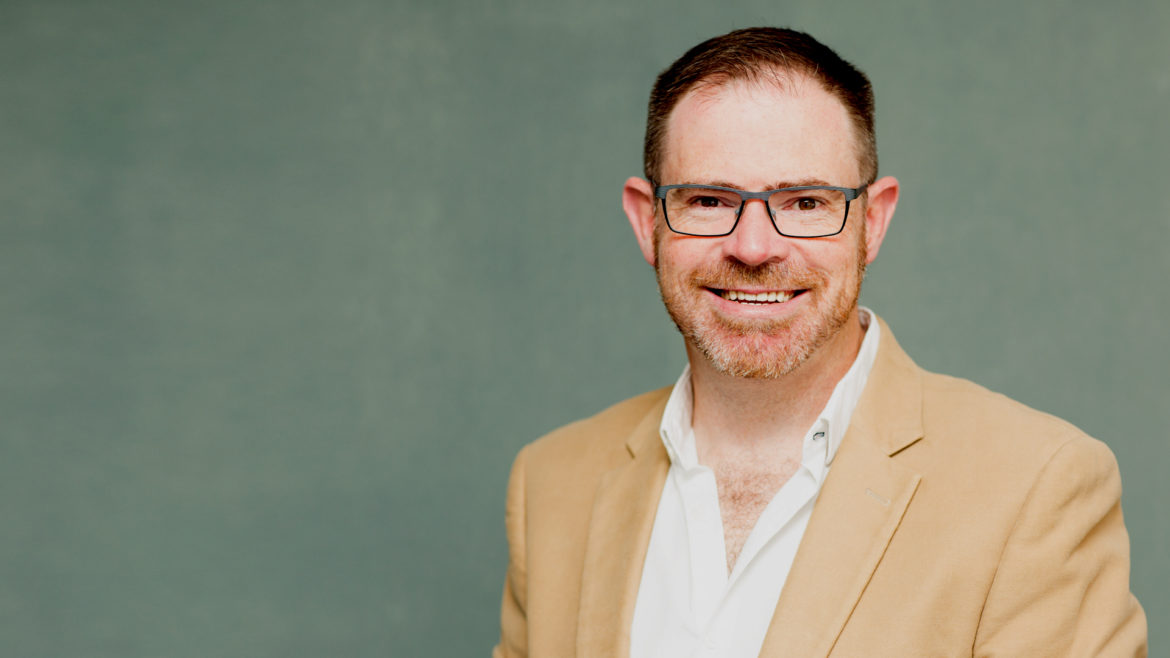
​I caught up with Dr Gabin Mbanjumucyo who will be presenting a keynote at the Emergency Medicine Society of South Africa’s annual meeting in October 2017. Gabin is a senior resident in inaugural class of emergency medicine in Rwanda at the University of Rwanda. He is also currently the president of Rwanda Emergency Care Association. His main interests include point of care ultrasound and research.
I asked Gabin a few questions about his upcoming keynote.

What are the key messages from your talk?

Emergency medicine is much needed in Africa; now is the time to start building strong emergency care systems. Emergency medicine as a specialty is still in its infancy in Africa; less than ten countries have dedicated emergency medicine training programmes (out of 52 countries on the continent). And yet, emergency medicine has been shown to significantly reduce morbidity and mortality (I shall present some data to support this during my keynote). So I guess the key message of my talk will be around the importance of building strong emergency care systems locally.  I’ll also and share some anecdotes from my experience from the Rwanda specialist training programme.

Why is this message important? 

When one considers global data in terms of mortality, life expectancy, disability adjusted life years and the likes, Africa appears to be doing rather badly. As the continent continues to develop, it is projected to see an increase in non-communicable disease, injury and bigger disasters in future. In order to effectively manage all of these, strong emergency care systems will be needed. There is never a right time to start preparing for these challenges. I sincerely hope that I am on the same page on this with everyone else.

How does this message relate to African emergency care?

It is not my intention to undermine the efforts that have been put into improving health care in Africa to date. However, it is important to realise that most of these efforts have been implemented with reference to prior situations that we faced as a continent (such as communicable diseases like HIV and tuberculosis amongst others). Now that urbanisation is on the increase, other diseases (such as non-communicable diseases and injury) have started to rise.  All of these, whether communicable, non-communicable or injury, need strong emergency care systems to manage its acute care requirements more effectively. However, when one considers the emergency medicine, emergency nursing or out-of-hospital emergency care programmes currently run in Africa, we still lack sufficiently trained personnel to handle this burden. Stronger and sustainable emergency care systems are required to address this definitively.
For my keynote, I will be touching on my views on this topic and share anecdotes from my own experience from Rwanda in establishing emergency medicine there.

Join us for the whole conference next week or just come for the day. Details at emssa2017.co.za/
Follow Gabin on twitter: @mgabin5

by Stevan Bruijns (ed)

Moving through Suffering & Towards Resilience: The Compassionate Care Initiative, with Tim Cunningham

2000 1333 Guest Author

Guest post by Stevan Bruijns from The AfJEM Blog

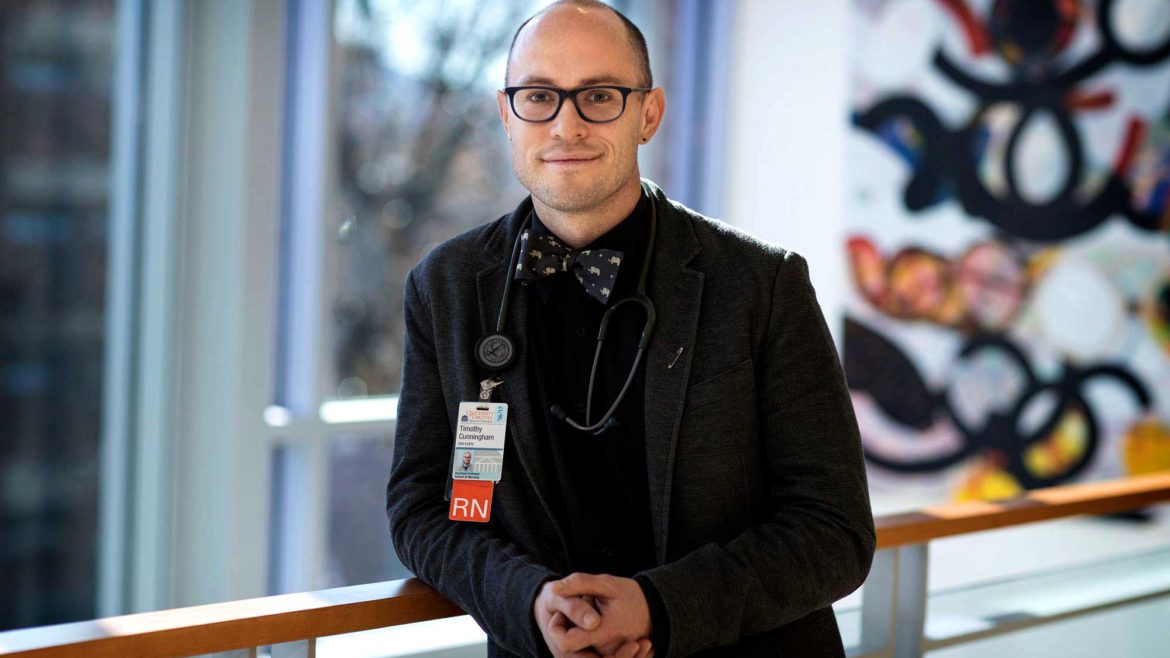
I caught up with Prof Tim Cunningham who will be presenting a keynote at the Emergency Medicine Society of South Africa’s annual meeting in October 2017. Tim is an emergency trauma nurse specialising in paediatric care.  He is also the director of the Compassionate Care Initiative at the University of Virginia (USA) and Assistant Professor at the University of Virginia School of Nursing and Department of Drama
I asked Tim a few questions about his upcoming keynote.

What are the key message from your talk?

This talk will delve into the ways by which the Compassionate Care Initiative prepares its learners to face suffering and trauma head-on with resilience. Health care providers, nurses, physicians, first-responders face extreme suffering and sometimes on a daily basis. I will discuss personal experience working with Ebola patients in Sierra Leone, earthquake victims in Haiti and at Level 1 Trauma Centres in the USA, while addressing the ever-increasing concern of healthcare provider burnout. My keynote will share tools that we use at the Compassionate Care Initiative to address secondary traumatisation; tools such as “The Pause after Death” and other forms of self-care.

Why is this an important message?

We are losing healthcare providers every day to burnout, addiction, depression and in the worst instances, suicide. My keynote will address these concerns and present ideas on how practitioners and educators may work to mitigate such loses.

How does this message relate to African emergency care?

Though trauma and suffering are universal, suffering that arises in some settings that may be short on resources or staff demand a higher level of attention and self-care practiced by the provider. My keynote discusses tools that are available to all providers regardless of the presence of adequate equipment needed to care for, and save lives.

Join us for the whole conference next week or just come for the day. Details at emssa2017.co.za/

You can read more about the Compassionate Care Initiative here

Follow Tim on twitter: @tim_cunningam

by Stevan Bruijns (ed)

#badEM16 ECG Electrolyte disasters – Dr Sa’ad Lahri

802 455 Jo Park-Ross

#badEM16 Medicine: Science or art? Dr Shaheem de Vries and Dr Heike Geduld debate

864 576 Jo Park-Ross

“They don’t make doctors like they used to” – a debate between two excellent doctors and speakers about whether medicine is science or art.

#badEM16 End of life care ≠ end of health care – Dr Stevan Bruijns

386 388 Jo Park-Ross

A dying patient is one of the most challenging patients for healthcare professionals. Stevan talks us through how to practice the best possible end of life care.

#badEM16 Jo Park-Ross – ICU outside: Critical for everyone, everywhere

1366 768 Jo Park-Ross

Ten minutes is short time to try and to change the way you think about ICU care – but if you work in emergency medicine then you are already involved in the chain of ICU care! Critical care is how we treat patients, not a place with four walls.

For more amazing talks from the badEM16 symposium click HERE

#badEM16 Mastering bronchiolitis – Dr Andrew Redfern

864 576 Jo Park-Ross

Bronciolitis will affect 30% of children in their first winter, 10% of which will be hospitalized.

Dr Andrew Redfern, a badEM team member, revises the evidence based management of children presenting with bronchiolitis and brings it all together with a game of bingo!

Download the blank bingo board below to play along with the video.

For more amazing talks from the badEM16 symposium click HERE

#badEM16 – The eyes don’t see what the mind doesn’t know – Dr Kamil Vallabh

1366 768 Jo Park-Ross

Dr Kamil Vallabh is an Emergency Medicine Physician working at Mitchells Plain Hospital in the Western Cape. Kamil co-runs the facebook pages Plain EM and EMECG, and we would highly recommend checking these great resources out.  

This talk takes us on a walk though of a case – including ECGs, chest X-ray and ultrasound – and focuses on the following objectives:  

  • What the @#$% is a LRTI? 
  • Critically evaluate all the data 
  • Invalidate your assessment  – step back and look at the whole patient picture 
  • Reduce cognitive error in your practice

 We hope this talk takes you on a journey that challenges some of existing paradigms. Enjoy!  


For more amazing talks from the badEM16 symposium click HERE